



 Posted in
In this week’s newsletter: witness accounts reveal how violence escalated in Iran; and how millions of deepfake nudes have been shared on Telegram
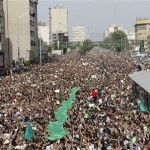
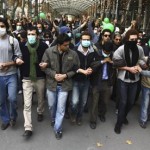
On Thursday 8 January, after weeks of swelling protests, Iran went dark. Almost everything went offline: internet, messaging, social media, phones. The shutdown was so severe that it has taken an unusually long time to build up a clear picture of exactly what happened in the hours and days that followed.
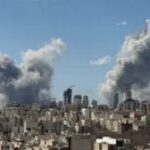
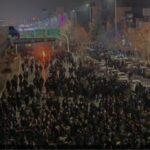
From across the country, however, evidence has now emerged of killing on a mass scale. Across multiple cities and towns, authorities opened fire on crowds of demonstrators, killing thousands and wounding thousands more. Getting a sense of the true scale has been incredibly difficult, with estimates of the number of dead ranging from a few thousand to more than 35,000.
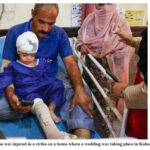
Using cross-referenced witness accounts, photographs and videos from hospitals, morgues and graveyards, we were able to piece together a picture of the nightmarish levels of violence: piles of hundreds of corpses, ice-cream trucks filled with the dead, and victims who appear to have been summarily executed with gunshots to the head while still hooked up to hospital medical equipment. We spoke to doctors inside Iran who formed an informal network of medical staff to compare notes, death tolls and patterns of injury – they estimated that the toll may be about 10 times the official government figures (Iranian authorities say just over 3,100 people died).
One surgeon gave this deeply affecting account of what it was like working over those nights. “The hospital became a mass casualty zone,” he said. “These were not warning shots. These were bullets designed to pass through the body.” Many doctors took huge risks, setting up informal clinics to assist protesters, and speaking out about the toll – there are already reports of medics being arrested, with at least one surgeon potentially facing the death penalty.
Inside the country, Iranians continue to push for accountability from their government, and in the coming weeks, we will continue reporting on the human rights situation they face. Much of January’s violence happened in the dark, but we believe it should not stay that way.
Tess McClure is editor of the Rights and freedom series
theguardian.com