

 Posted in
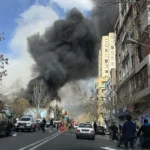
Tehran, Iran – July 23, 2025 – Since April 2025, the social and economic fabric of Iranian society has been subjected to escalating pressures, with workers and marginalized communities bearing the brunt of a multifaceted crisis. A faltering economy, exacerbated by international sanctions, pervasive government mismanagement, and an unyielding crackdown on dissent, has pushed millions further into poverty and precarity. This already dire situation was catastrophically compounded by the 12-day war that erupted on June 13, 2025, following the Israeli military attack on Iran, and subsequent retaliatory strikes.
The Economic Abyss: A Struggle for Survival Deepened by Conflict
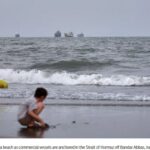
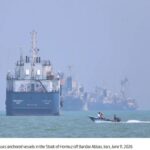
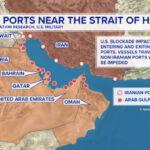
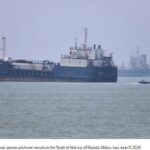
Even before the conflict, the Iranian Rial was in freefall, fueling a hyper-inflationary environment that decimated purchasing power. While official statistics from April 2025 indicated an annual inflation rate of 33.2%, more pessimistic forecasts suggested it could soar past 50%. The war has undoubtedly exacerbated this, introducing new layers of economic instability and fear, with initial spikes in global oil prices and increased war-risk insurance premiums for shipping in the Gulf, though these initially stabilized. However, the long-term economic toll on Iran, with its infrastructure damaged and vital resources diverted to recovery and defense, is likely to be profound.
The result is a rapidly expanding poverty crisis. While some official reports suggest around 30% of the population lived below the poverty line by early 2025, independent and international estimates paint a far bleaker picture, suggesting that as much as 80% of Iranians, tens of millions of people, were struggling to meet their most basic needs even prior to the conflict. The war’s disruption of supply chains, potential damage to industrial capacity, and increased national expenditure on defense will only deepen this poverty. Food insecurity, already a stark reality for 55% of urban households in April 2025, will likely worsen as the conflict impacts agricultural production, distribution networks, and the cost of imported goods.
For countless workers, wages had already stagnated, remaining far below the poverty line, with widespread reports of unpaid wages. The war will undoubtedly put further strain on employers, potentially leading to more wage arrears and job losses, particularly in sectors affected by infrastructure damage or heightened insecurity. The nation’s industrial sector, already crippled by mismanagement and sanctions, faces further decline and factory closures. The pervasive use of temporary contracts, affecting around 90% of the workforce, will continue to deny workers access to essential benefits, leaving them even more vulnerable in a post-conflict environment.

Workers Under Siege: Repression, Resistance, and Displacement
The Iranian government’s response to this deepening crisis has been a brutal suppression of labour activism. Independent unions are outlawed, and peaceful labour leaders are routinely targeted, facing arbitrary arrests, sham trials, lengthy prison sentences, flogging, and even death sentences. As of April 2025, at least 19 labour activists remained unjustly imprisoned. The war has likely intensified this crackdown, with reports of hundreds of arrests on “political or security charges” since the start of the conflict, including alleged “Mossad spies,” further chilling any dissent or collective action.
Workplace fatalities in Iran remained shockingly high due to poor safety standards, with over 2,081 workers reportedly losing their lives between May 2024 and April 2025. The damage to infrastructure during the conflict, and the likely rush to rebuild, could exacerbate these risks if proper safety measures are not prioritized.
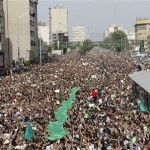
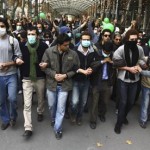
Despite the severe repression, the spirit of resistance endured prior to the war, with widespread protests in April 2025 demanding better pensions, livable wages, and an end to corruption. The immediate aftermath of the war saw a focus on survival and return for displaced populations. However, the underlying economic grievances remain, and the added suffering from the conflict, coupled with the regime’s perceived inability to protect its citizens and cities from attack, could fuel renewed social unrest in the long term.
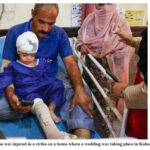
A significant humanitarian consequence of the 12-day war was the mass displacement of hundreds of thousands of Iranians, particularly from Tehran and other major cities, fearing for their lives as Israeli air strikes intensified. While many have begun to trickle back following the fragile ceasefire, they return to a city scarred by attacks, with homes damaged or destroyed, and a profound sense of uncertainty for the future. Over 610 Iranians, predominantly civilians, were reportedly killed, and 1,481 wounded during the conflict, with health infrastructure also affected. This mass displacement and trauma place additional burdens on social services and families, particularly those with limited resources.
Marginalized Communities: A Deeper Struggle Amidst the Rubble
The economic and social downturn disproportionately impacts already marginalized segments of the population, and the war has only amplified their struggles:
- Women: Iranian women, already facing a double burden of economic hardship and entrenched societal discrimination, are further vulnerable. The conflict has likely added to their economic exclusion, as disruptions affect informal work and access to resources. The trauma of displacement, loss of livelihoods, and the continued struggle against compulsory social restrictions are magnified by the war’s psychological toll.
- Ethnic and Religious Minorities: These communities, facing systemic discrimination, will likely see their disadvantages exacerbated by the conflict’s economic fallout and potential shifts in government priorities.
- Afghan Migrants: Already in a precarious situation, Afghan migrants in Iran face severe restrictions and precarious legal status. The war has intensified their vulnerability, with reports of mass returns and expulsions, leaving them in an even more desperate position, caught between a conflict-ridden Iran and a challenging return to Afghanistan.
- Children: Child labour, already a widespread issue, is likely to be exacerbated as families struggle to cope with the economic devastation and displacement caused by the war. Children are also among the hundreds of civilians killed and thousands displaced, suffering profound psychological trauma and disruption to their education and development.
The Weight of Sanctions and the War’s Aftermath
While international economic sanctions aim to pressure the Iranian government, their profound and regressive impact on the general population, particularly vulnerable labour markets, has been well-documented. The 12-day war introduces a new dimension to this. While global oil markets initially reacted with caution, the sustained economic and military pressure on Iran, including reported damage to nuclear facilities and military assets, raises concerns about the potential for further, even more crippling, sanctions if Iran’s response is perceived as escalatory. The war has undoubtedly strained Iran’s already fragile economy, raising the specter of increased shortages of essential goods and services, and further deterioration of power and water infrastructure.
The immediate aftermath of the war sees Iran in a weakened strategic and military position. While a fragile ceasefire is in place, the specter of renewed conflict looms, and the internal political and social tensions within Iran are likely to intensify. For the workers and marginalized strata of Iranian society, the period since April 2025, culminating in the devastating 12-day war, represents a relentless decline in their living standards, marked by rampant inflation, widespread poverty, precarious employment, mass displacement, and severe limitations on their fundamental rights, all compounded by persistent economic and political pressures, and the profound human cost of conflict.
Office
Central Executive Council
CODIR