






 Posted in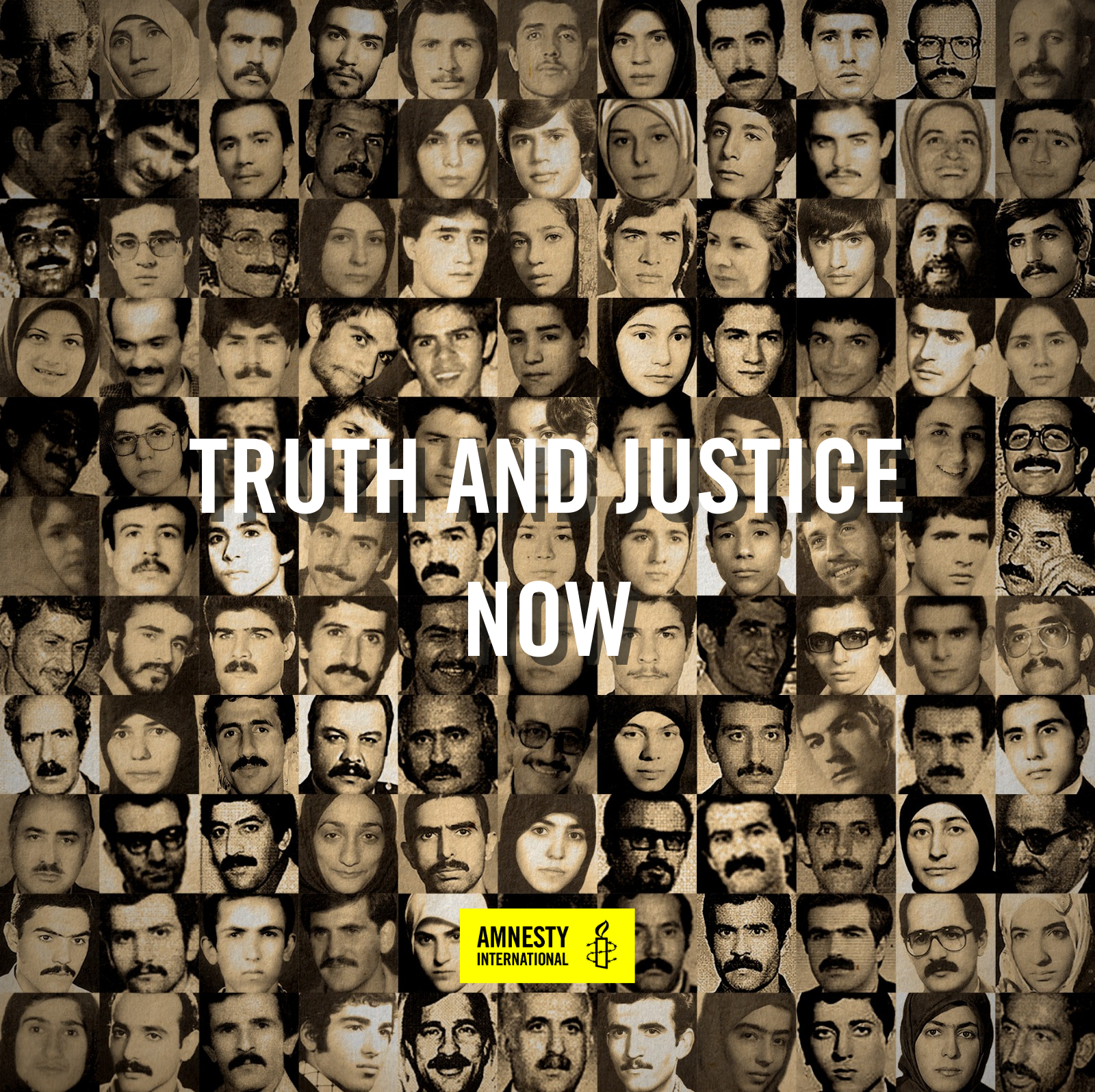
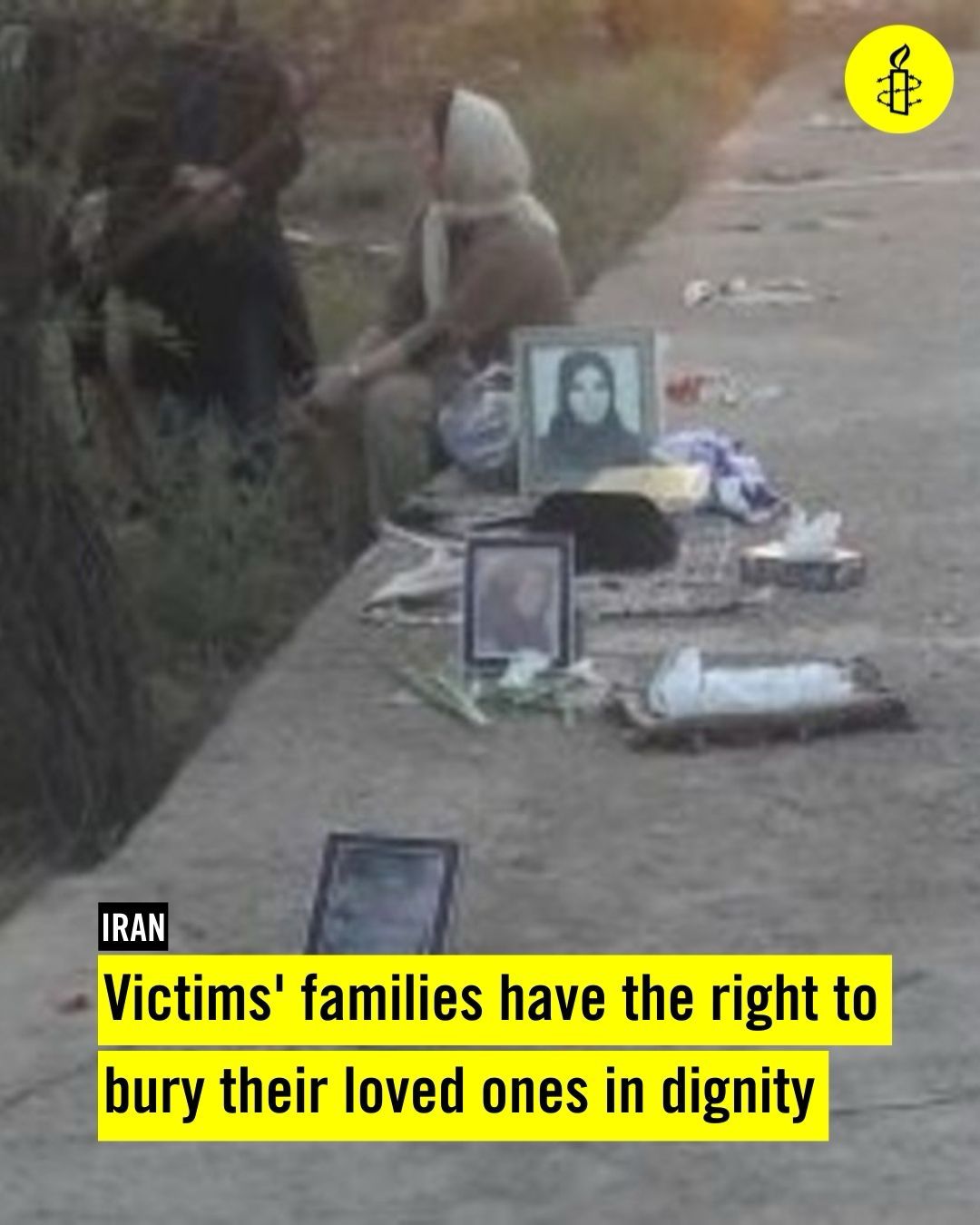
The Iranian authorities are destroying vital evidence of the mass executions of dissidents in early 1980s by building a parking lot over their graves in Tehran’s Behesht Zahra cemetery. This is another grim reminder of systemic impunity for the crimes against humanity of that era.
Tehran’s Deputy Mayor Davoud Goudarzi shockingly admitted that the graves in slot 41 of the cemetery were being destroyed with official permission from authorities. This move follows decades of cruel restrictions on families planting flowers or fixing desecrated gravestones.
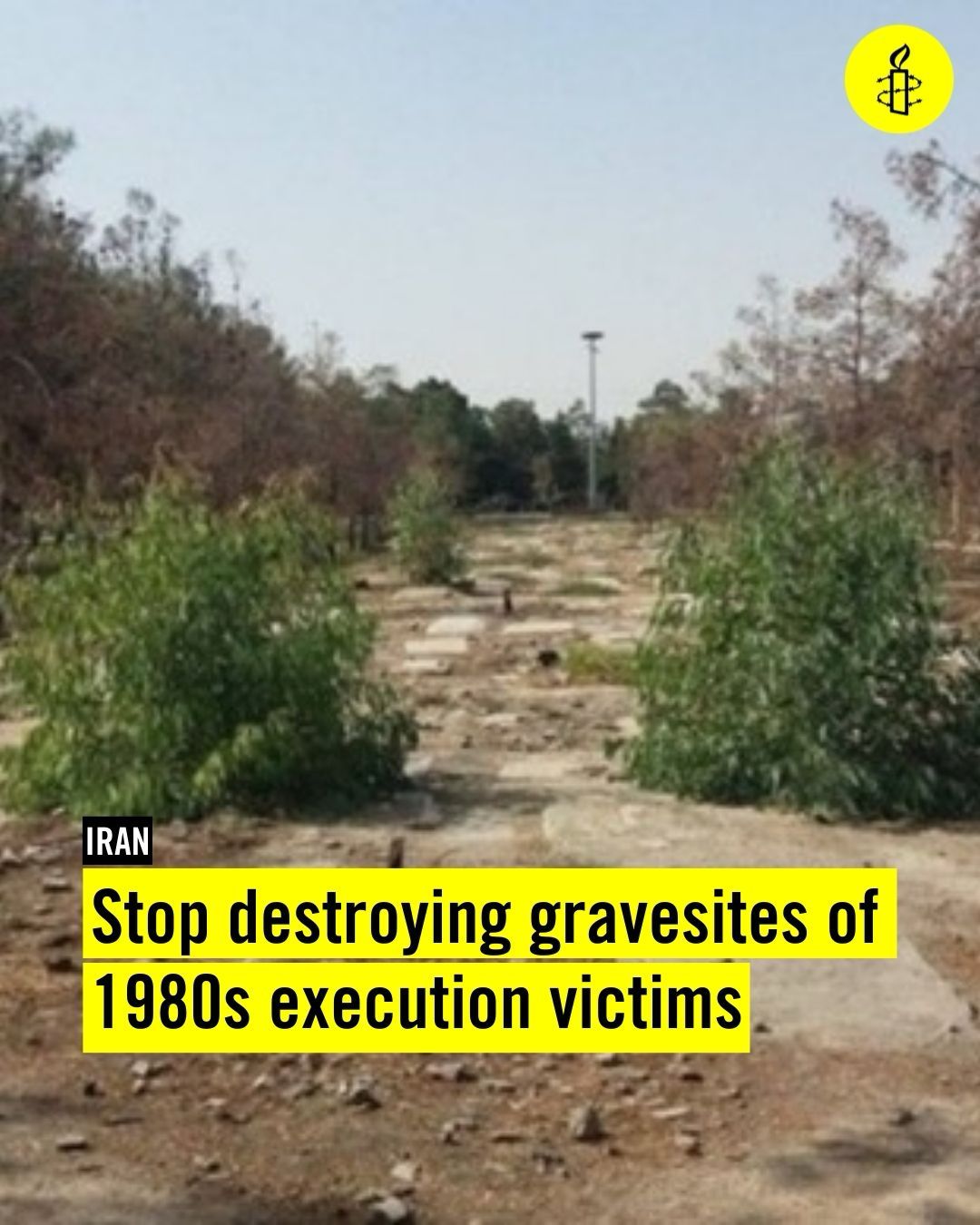
Individual and mass graves from the 1980s mass executions are crime scenes requiring forensic expertise for exhumation and evidence preservation. By destroying them, the authorities are concealing evidence of their crimes and hampering the rights to truth, justice & reparations.
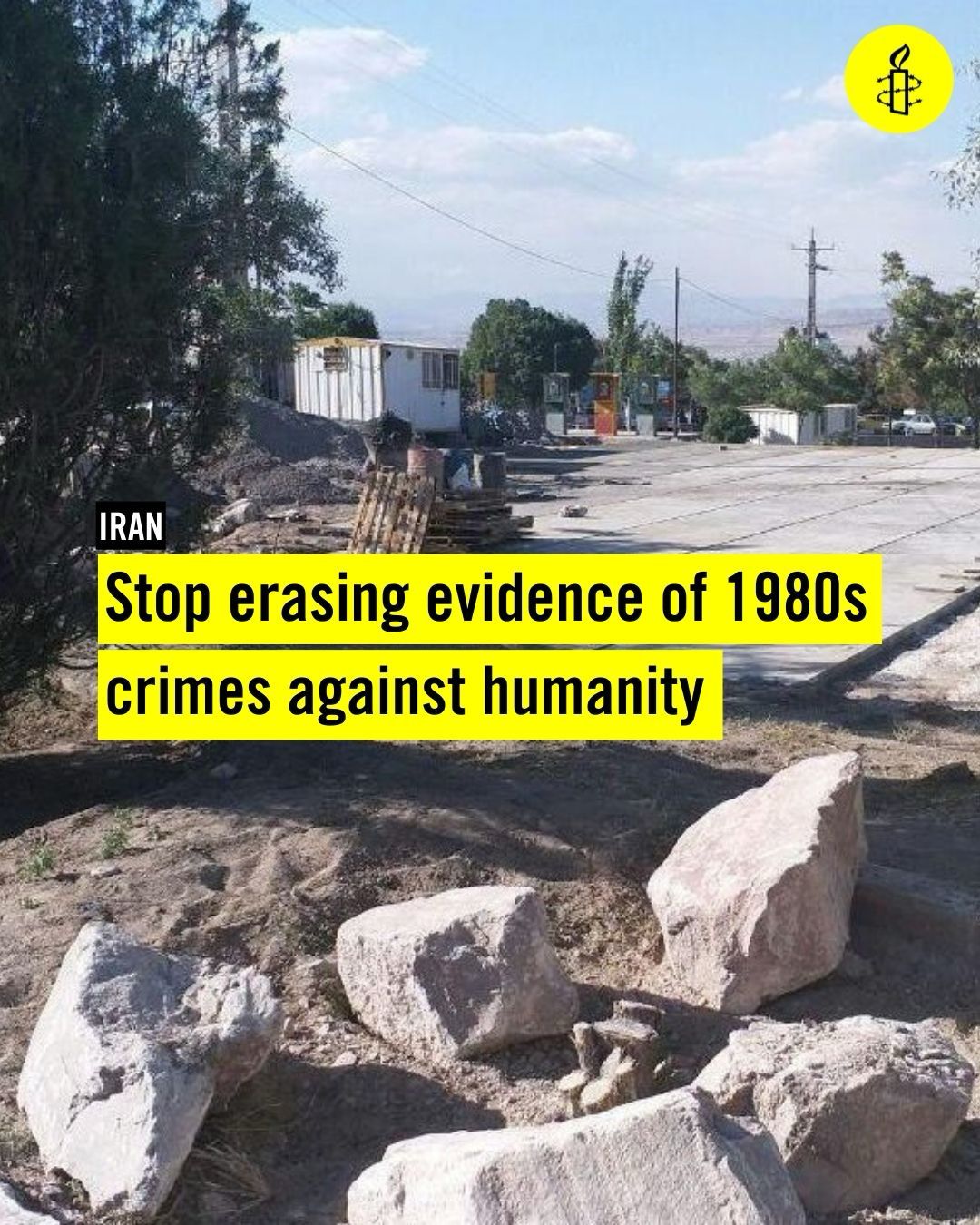
Amnesty International previously documented how the authorities have destroyed the graves of victims of 1980s killings through bulldozing, constructing buildings and roads, mass rubbish dumping or building new burial plots over them. The authorities have also destroyed or desecrated gravestones of victims of more recent human rights violations including members of the persecuted Baha’i minority and those unlawfully killed during the 2022 #WomanLifeFreedom uprising.
Amnesty International renews its calls on the Iranian authorities to stop the destruction and desecration of individual and mass graves of victims of 1980s mass executions. Authorities must stop deepening the pain of families and respect their right to bury their loved ones in dignity.