






 Posted in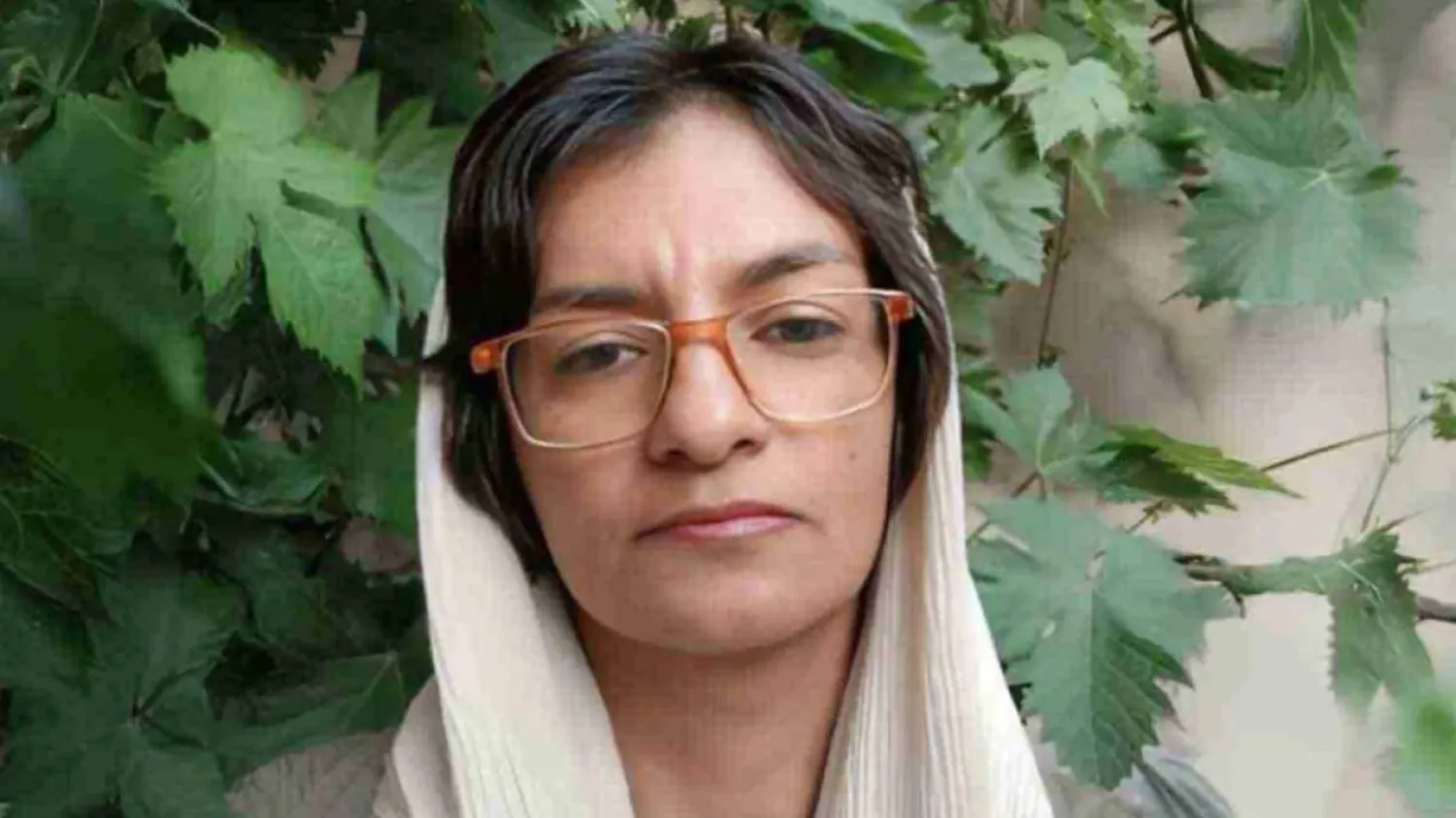
CODIR Central Council condemns the Iranian judiciary for neglecting their responsibilities on the health, safety, and security of political prisoners!
Reports from Iran have confirmed the death in detention of Somayeh Rashidi, an Iranian political prisoner, amid conflicting accounts from human rights groups and the Iranian judiciary, prompting angry reactions from international organisations.
Ms. Rashidi, 42, died in a hospital having been transferred there from Qarchak Prison in Varamin, sparking credible and widespread allegations of deliberate medical neglect on the part of the prison authorities. Qarchak Prison is a women’s penitentiary notorious among prisoners for its harsh regime, made worse by unsanitary conditions and woeful lack of medical provision for the vulnerable detainees held there.
Ms. Rashidi, a resident of Tehran, was arrested on 26 April for her involvement in writing anti-government slogans and subsequently charged on political grounds with “propaganda against the state”. She was initially detained at Evin Prison before being transferred to Qarchak Prison in June.
Human rights groups note that she was badly beaten by security forces during her initial arrest.
Human rights organisations and a source close to the family allege that Ms. Rashidi’s death was a direct result of the deliberate denial and delaying of urgently needed medical care while in custody. She was known to suffer from epilepsy and had experienced repeated severe seizures.
The regime’s prison authorities allegedly ignored her condition, with prison doctors accused of dismissing her symptoms out of hand as “malingering” and only prescribing sedatives and psychiatric medications.
On 15 September, Ms. Rashidi suffered a severe seizure and was then transferred to Mofatteh Hospital where she was admitted with an extremely low level of consciousness. Doctors reportedly stated that the delay in her transfer was the main factor leading to the irreversible deterioration of her physical condition. She died on 25 September.
Several political prisoners held alongside Ms. Rashidi issued a joint statement rejecting the official narrative, confirming her epilepsy, and testifying that authorities deliberately denied her timely medical attention despite being aware of her condition.
The Judiciary’s media confirmed Ms. Rashidi’s death but attributed it to her own history, claiming that she had declared a history of nervous/mental illness, seizures, and substance addiction. The report further attempted to discredit her by alleging past ties to the Mojahedin-e Khalq (MeK) opposition group and claiming she had been involved in “sabotage” – a narrative critics argue was a tactic to try and divert public attention from the authorities’ responsibility for her death.
The death of Somayeh Rashidi has quickly drawn strong condemnation from both Iranian and international human rights organisations, who have widely labelled it a “state-sponsored murder” resulting from a systematic policy of abuse.
Human Rights organisations have called for an independent and transparent investigation into Ms. Rashidi’s death and for the accountability of those responsible for denying her medical treatment. They have emphasised that the Iranian authorities’ continued pattern of intentional medical neglect of political prisoners is tantamount to torture and a grave violation of the right to life.
Human Rights Watch (HRW) and other groups have previously warned that denying prisoners access to essential medical care amounts to torture under international standards.
Iran Human Rights (IHR) have called once more for the closure of Qarchak Prison.
Two of Iran’s Nobel Peace Prize laureates spoke out strongly against the death:
Narges Mohammadi (2023 Nobel Laureate) condemned the death in custody, stating: “This devastating loss of Somayeh Rashidi is not an accident but the result of a systematic policy of neglect and cruelty inside Iranian prisons.”
Shirin Ebadi (2003 Nobel Laureate) had previously raised the alarm about Rashidi’s deteriorating condition, stating: “Neglecting her health, ignoring her repeated seizures in prison, is clear evidence of torture and deliberate negligence.” She called Ms. Rashidi’s death a “state-sponsored murder.”
Several former political prisoners and activists, including Iranian rapper Toomaj Salehi, labelled the death an “intentional murder” under the penal code due to the deliberate neglect and delay in Ms. Rashidi’s transfer to hospital despite her known medical history.
Human rights reports cited Ms. Rashidi’s case as illustrative of a wider lethal pattern where security and judicial authorities – not doctors – control medical decisions, essentially meaning that treatable conditions have fatal outcomes. This systematic denial of care is described as a calculated tool for exerting pressure and inflicting torture on political detainees.
Reports also indicated that authorities have even attempted to pressure Ms. Rashidi’s family into issuing a statement attributing her death to hospital negligence rather than prison conditions and the denying of her medical care.
CODIR Central Council condemns once more the judicial and prison authorities of the Islamic Republic regime for their woeful dereliction of duties regarding the health, safety, and security of political prisoners in Iran. The death of Ms. Somayeh Rashidi, essentially a deliberate killing owing to the cruelty of judicial and prison officialdom, is the latest in a horrifyingly long list going back over four decades of brutal theocratic dictatorship. CODIR calls for an urgent and impartial inquiry into the circumstances of Ms. Rashidi’s demise and death in detention, the bringing to account of those officials responsible, and ultimately justice for her family and loved ones. We also echo the calls of Iran Human Rights (IHR) and other organisations for the urgent closure of Qarchak Prison.
Office
Central Executive Council
CODIR