

 Posted in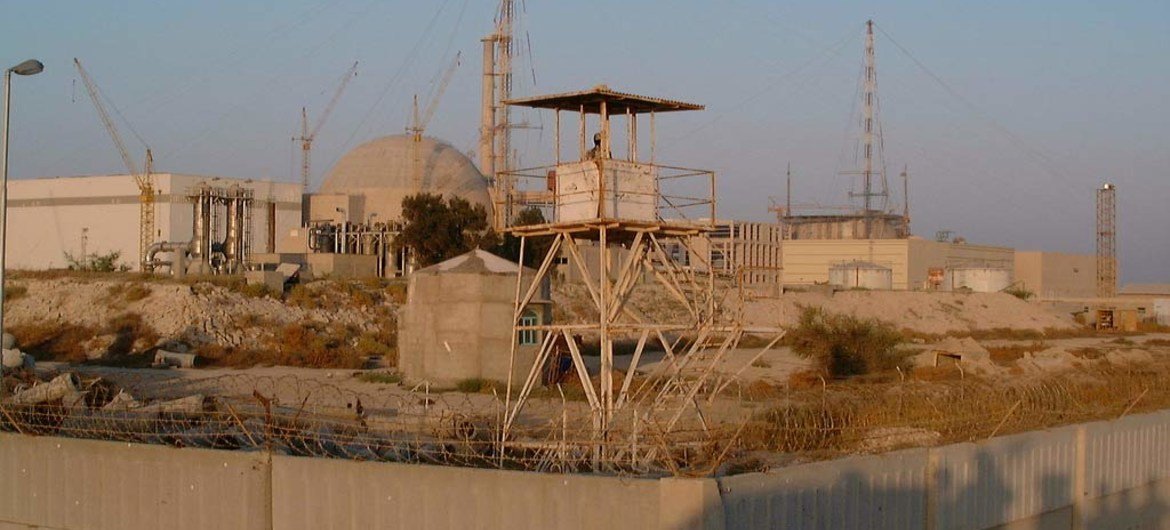
23 December 2025
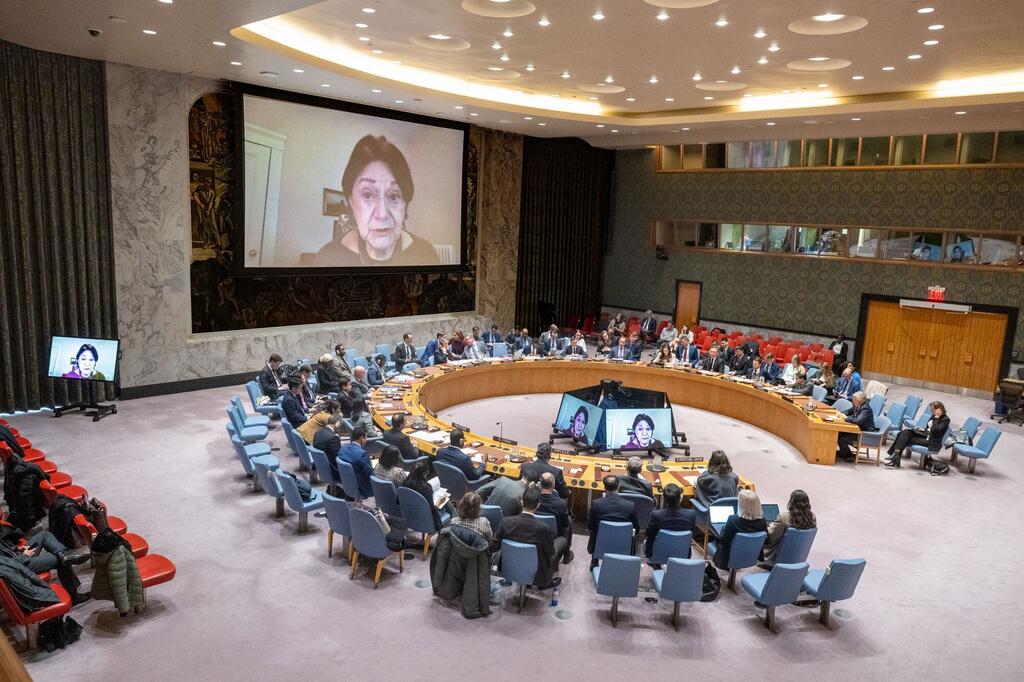
At a meeting to discuss nuclear non-proliferation on Tuesday, the Security Council’s stance on Iran’s nuclear activities remained divided on the issue, split between those who support the reinstatement of sanctions, and the members who believe the sanctions should be permanently lifted, whilst questioning the legality of the meeting itself.
“Despite intensified diplomatic efforts during the second half of 2025, there was no agreement on the way forward regarding the Iran nuclear programme,” concluded the UN’s chief diplomat, Rosemary DiCarlo.
Ms. DiCarlo – the UN Under-Secretary-General for Political and Peacebuilding Affairs – reminded the Council that the best option for the international community is a negotiated settlement that would ensure a peaceful Iranian nuclear programme and provide sanctions relief.
At the heart of the split between the Security Council members is a dispute over the legitimacy of holding meetings related to the 2015 Iran nuclear deal, formally the Joint Comprehensive Plan of Action (JCPOA), an agreement to limit Iran’s nuclear programme in return for sanctions relief.
Iran signed the agreement alongside the Council’s five permanent members – China, France, Russia, United Kingdom, United States – plus Germany and the European Union (EU).
First post ‘snapback’ meeting
Tuesday’s meeting was the first to take place since France, Germany and the United Kingdom triggered the so-called “snapback mechanism,” (the reimposition of sanctions against Iran), citing “significant non-performance” of its commitments under the plan.