







 Posted in
European lawmakers overwhelmingly approve a resolution condemning Iran’s human rights record, with 524 votes in favor and calls for accountability and expanded sanctions.
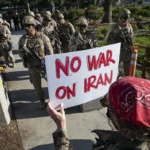
The European Parliament has adopted a strongly worded EU resolution on Iran human rights, condemning what lawmakers described as systematic and grave violations across the country. The vote, held on February 5, 2026, in Brussels, reflects growing concern within the European Union over Tehran’s treatment of protesters, civil society activists, and minority communities.
In the final tally, 524 Members of the European Parliament voted in favor, 3 voted against, and 41 abstained, signaling overwhelming cross-party backing for the resolution. The margin underscores the depth of alarm among European lawmakers regarding developments inside Iran.
What the EU Resolution on Iran Human Rights Says

The resolution denounces the Iranian authorities for what it calls widespread repression, including the use of excessive force against demonstrators, arbitrary arrests, and reports of torture and ill-treatment in detention. Members of Parliament expressed particular concern over the targeting of women, youth, journalists, lawyers, and human rights defenders.
Lawmakers also highlighted the role of the Islamic Revolutionary Guard Corps (IRGC), accusing it of playing a central part in suppressing protests and enforcing restrictive domestic policies. The Parliament urged EU institutions and member states to expand targeted sanctions against Iranian officials and entities deemed responsible for rights violations.
Beyond sanctions, the resolution calls for the immediate and unconditional release of all individuals detained for exercising their fundamental freedoms. It further demands an end to harassment against medical personnel, civil society actors, and families of detainees.
Call for International Accountability

A key component of the EU resolution on Iran human rights is its emphasis on accountability. The European Parliament urged international bodies, including United Nations mechanisms, to continue documenting alleged abuses in Iran and to preserve evidence for potential future legal proceedings.
MEPs stressed that those responsible for serious violations must be held accountable under international law. They called for sustained international attention to Iran’s human rights situation and encouraged coordination among democratic governments to increase diplomatic pressure.
The resolution forms part of a broader human rights package adopted during the same plenary session, which also addressed concerns in other countries. However, the vote on Iran drew particularly strong consensus, reflecting the intensity of scrutiny directed at Tehran in recent months.
Also Read
Why Iran’s Largest Berlin Rally Was Aimed at Europe
Political Significance for EU–Iran Relations
While European Parliament resolutions are not legally binding, they carry political weight and can shape the direction of EU foreign policy. The strong vote margin may increase pressure on the European Commission and EU member states to pursue tougher measures or expand existing sanctions frameworks.
The adoption of this EU resolution on Iran human rights signals that human rights concerns remain central to EU–Iran relations. It also demonstrates that developments inside Iran continue to resonate strongly in European political institutions.
As debates over regional stability, nuclear negotiations, and sanctions continue, the human rights file is likely to remain a defining element of Brussels’ approach toward Tehran in the months ahead.