



 Posted in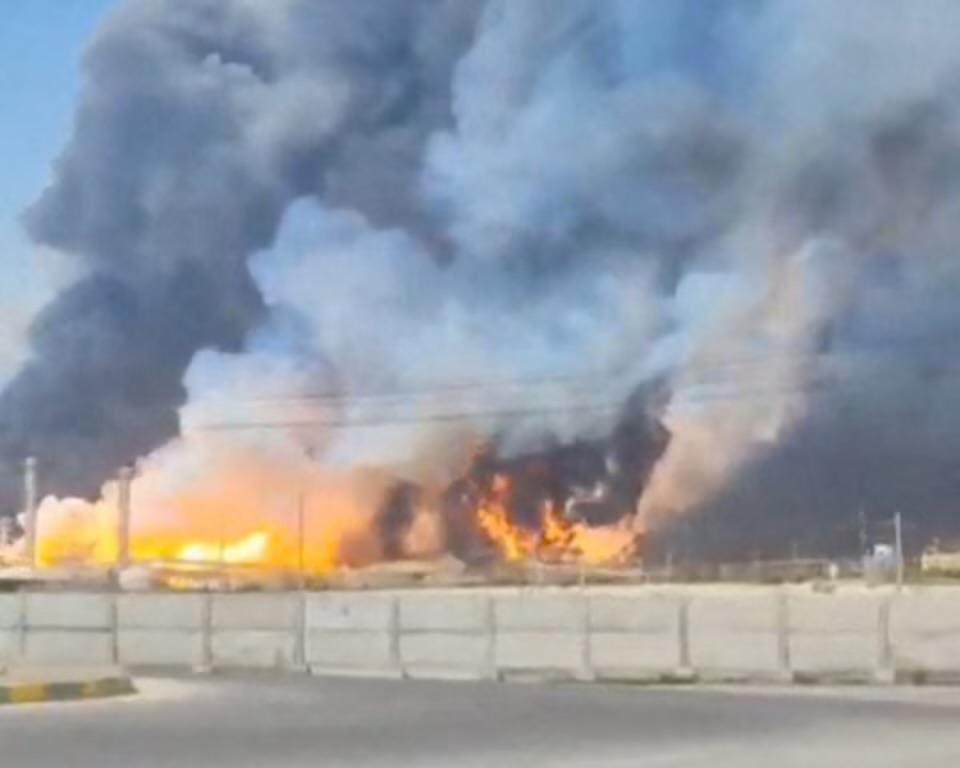
The Expansion of War to the Heart of Persian Gulf Energy Infrastructure: Iran Strikes Qatar and Targets Saudi Arabia Following Attack on Pars Gas Field
The conflict involving the United States, Israel, and Iran entered a new and extremely perilous phase on Wednesday—one that directly encompasses the energy infrastructure of the Persian Gulf and has pushed concerns over a global oil and gas market crisis to a peak. Following an attack on Iran’s massive Pars gas field, Tehran retaliated by striking Qatar’s primary energy hub, while simultaneously launching missiles toward Saudi Arabia. These developments immediately spiked oil prices and shifted the conflict’s horizon from a regional military confrontation toward a crisis with global economic repercussions.
According to Reuters, the Pars gas field—the Iranian sector of the world’s largest natural gas reserve, shared by Iran and Qatar in the Persian Gulf—was targeted on Wednesday. This attack, widely attributed to Israel with U.S. consent by Israeli media (though not officially claimed by Washington or Tel Aviv), is regarded as a turning point in the war. Previously, the U.S. and Israel had refrained from directly targeting Iran’s energy production facilities in the Persian Gulf to avoid a reciprocal response from Tehran against the oil and gas industries of its Arab neighbors.
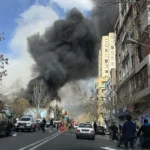
Fars News Agency reported that gas storage tanks and portions of a refinery were damaged during the strike; personnel were evacuated, and state media later announced that the fire had been contained. However, Tehran’s response was swift and severe. Iran declared that a range of regional oil and gas facilities, including those in Saudi Arabia, the United Arab Emirates, and Qatar, are henceforth considered “direct and legitimate targets” and must be evacuated immediately.
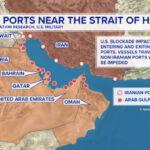
Shortly thereafter, Qatar reported that Iranian missiles struck Ras Laffan Industrial City, one of the country’s most vital energy centres. The state-owned QatarEnergy stated that the attack caused “extensive damage” to the facility. Ras Laffan is a cornerstone of Qatar’s energy industry and one of the most sensitive nodes in the global Liquefied Natural Gas (LNG) supply chain. Concurrently, Saudi Arabia announced it had intercepted and destroyed four ballistic missiles fired toward Riyadh and thwarted a drone attack on a gas facility in the Eastern Province.
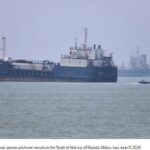
With this escalation, a war that had previously disrupted shipping routes in the world’s premier energy-producing region has now directly reached production and processing infrastructure. Brent crude prices surged approximately 5% following the attacks, surpassing $108 per barrel. Stock markets reacted negatively, heightening fears of sustained energy price hikes, increased pressure on global inflation, and deeper disruptions to the international economy.
CODIR is concerned that beyond the immediate economic fallout, this shift toward targeting industrial hubs introduces a grave humanitarian concern regarding the safety and security of the specialized workforce operating these facilities.
The transition of energy infrastructure into active combat zones places thousands of civilian workers at direct risk, potentially leading to a localized humanitarian crisis within the industrial sector. Furthermore, the deliberate targeting of the energy industry adds a profoundly dangerous dimension to the conflict; by weaponizing the global supply chain, the warring parties have moved beyond conventional military engagement into a form of total economic warfare that threatens to destabilize not only regional security but the very foundations of international energy security.