


 Posted in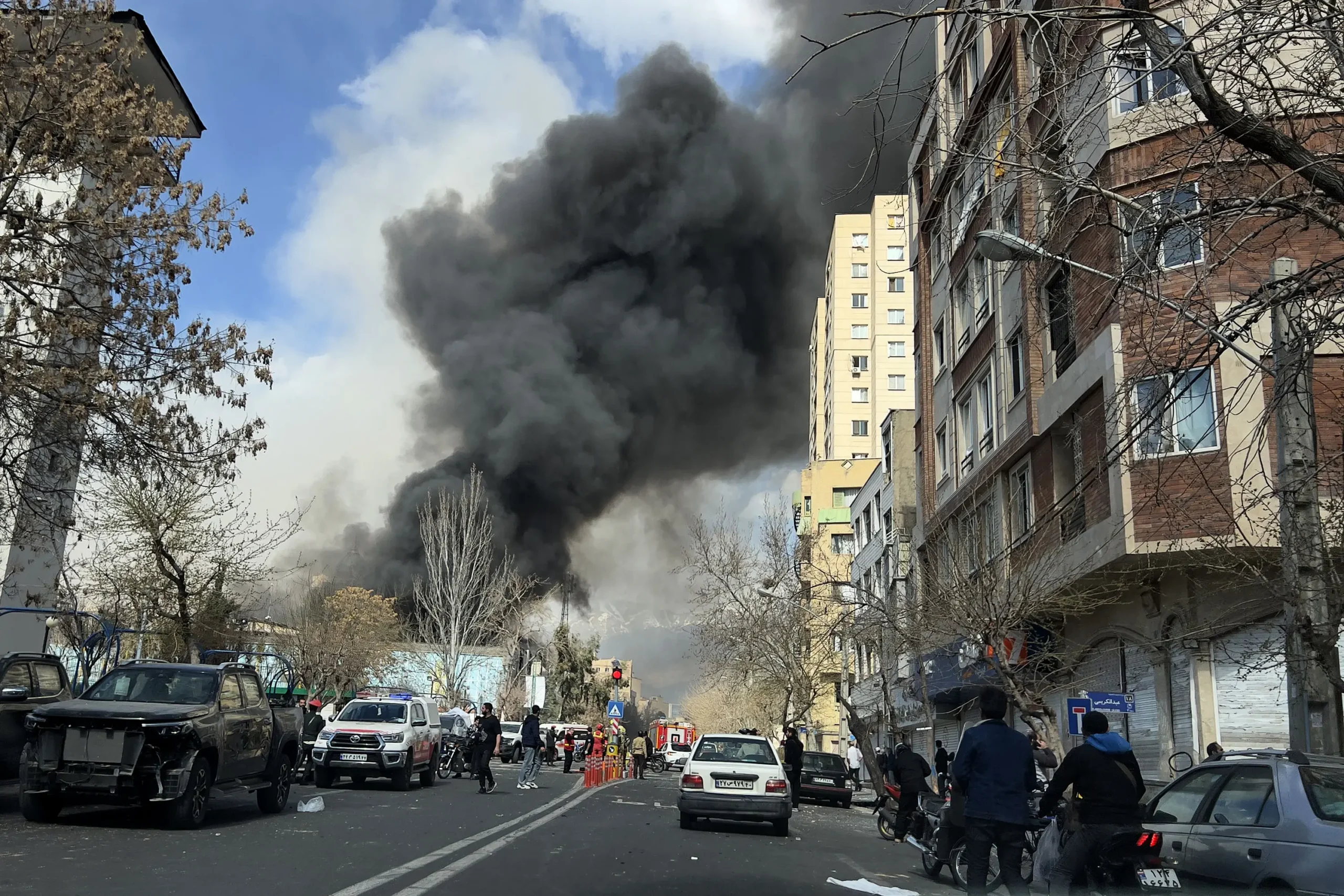
The generally accepted wisdom in most international conflicts is that ultimately a diplomatic solution must prevail. Preferably this is one in which both parties can walk away with some claim to having achieved their objectives. However, the war initiated by the United States and Israel against Iran does not appear to be reaching a diplomatic conclusion. Steve Bishop reports.
The deadline outlined in the Iran-U.S. memorandum of understanding (known as the Islamabad Understanding) concluded in mid-August without reaching a final agreement. The 14-point memorandum, signed in June 2026 following more than three months of military conflict, was intended to halt hostilities and establish a framework for a comprehensive accord.
However, escalating tensions and mutual accusations between Tehran and Washington have derailed the implementation of commitments, driving the peace process into a severe deadlock.
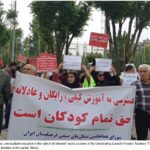
Over the past 14 months, Iran has been the target of two joint military attacks by the US and Israel. Iran was attacked for the first time on 13 June 2025. That war lasted 12 days. The second time, Iran was attacked by the US and Israel on 28 February 2026, for approximately 40 days, in the fiercest barrage of the currently ongoing war. On the very first day of this aggression, 156 people were killed in a school in Minab by Tomahawk cruise missile strikes, including 120 elementary school children; the remaining victims included their teachers and parents, among others. According to official Iranian figures, more than 3,500 Iranians were killed during the 40-day bombardment alone. Both attacks began while Iran was at the negotiating table regarding its nuclear programme.
Over 100,000 residential units were destroyed. Complexes in Iran’s key industries – such as the steel industry, oil and refining facilities, and various manufacturing plants – were targeted. In addition, hospitals, the pharmaceutical industry, universities, bridges, water treatment plants, and numerous historical monuments across the country were bombed. Iran has estimated the war damage at approximately $270 billion.
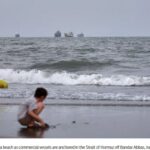
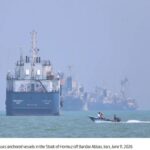
Key to the response of the Islamic Republic has been to exert control over access to the Strait Of Hormuz, which remains at the epicentre of the conflict. Commercial shipping traffic has plummeted sharply. Tehran maintains that the complete reopening of the strait is contingent upon the U.S. fulfilling its economic and structural commitments. Conversely, Washington and the Pentagon continue to exert rigid military pressure and issue threats, insisting on the immediate removal of all shipping restrictions.
Direct talks are currently stalled, with diplomatic channels restricted to third-party mediation via countries such as Qatar, Pakistan and Oman in an effort to establish new navigational arrangements or revive dialogue.
However, the U.S. Department of the Treasury has intensified economic sanctions and pressure on Iran’s oil exports. In response, Iranian military officials have signalled their readiness to shift from a defensive to an offensive doctrine, while intelligence reports suggest that Iran’s power structures are preparing for a protracted standoff.
At present, diplomacy has largely been sidelined by a cycle of mutual recrimination, economic coercion, and military deterrence. The prospect of peace remains precariously dependent on whether either side is willing to adjust its preconditions and take initial confidence-building steps.
The prospects for peace in the Middle East are hanging by a thread, as the dictatorship in Iran struggles to maintain its grip on power, and US imperialism remains determined to exert its hegemony over the region. The losers, as ever, continue to be the people of Iran and the wider Middle East for whom peace, democracy and social justice appear to be distant goals.
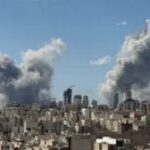
Photo Caption: Smoke rises in the wake of an airstrike in Tehran on the fourth day of the US-Israeli bombardment of Iran, Tuesday 3 March 2026 | Avash Media | Creative Commons, CC BY 4.0 International