


 Posted in
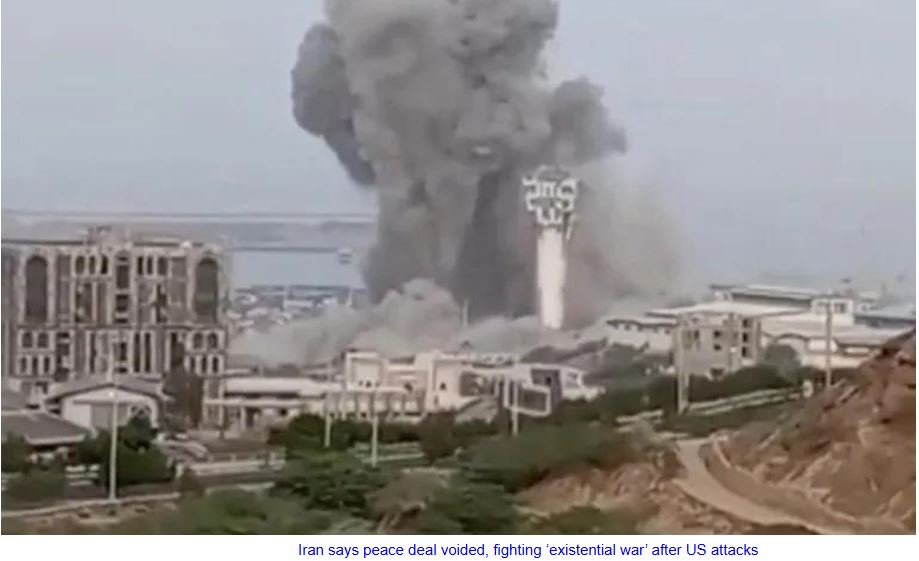
Based on the recent sequence of military, diplomatic, and economic developments, an evidence-based analysis indicates that the situation involving Iran, the United States, and regional actors has entered a highly volatile phase of protracted strategic stalemate and economic attrition. Rather than moving toward a definitive diplomatic resolution or total military collapse, the crisis is pointing to several distinct structural trajectories:
The Institutionalization of “Unlimited” Warfare and the Strait of Hormuz Chokepoint
The conflict has fundamentally shifted away from conventional 20th-century battlefield metrics toward a permanent state of multi-dimensional pressure.
The Shipping Impasse: The physical and economic weaponization of the Strait of Hormuz—through which a massive share of global energy supplies passes—has become the central lever of Iranian asymmetric leverage. Despite localized mediation efforts (such as tracks involving Oman) and U.S. naval countermeasures, reopening the strait safely remains deadlocked. Tehran demands the lifting of the U.S. maritime “steel wall” blockade, compensation for war damage, and the unfreezing of assets, while Washington has countered with maximalist demands for historical and regional reparations.
Calculated Brinkmanship: Neither side possesses the appetite or capacity for an immediate, total military victory, leading instead to a dangerous “neither war nor peace” dynamic. Intermittent maritime strikes, naval escorts, and proxy friction (such as actions in the Red Sea and Gulf) suggest that energy transit corridors will remain structurally insecure, keeping global markets vulnerable to sudden shocks.
Deepening Domestic Attrition and Dual-Crude Pressures
The cumulative impact of direct military bombardment on civilian and industrial infrastructure, combined with long-standing economic mismanagement and severe sanctions, is pushing Iranian society to structural breaking points.
Socio-Economic Strain: With inflation soaring, real per capita incomes heavily degraded over recent years, and a massive portion of the population living below the poverty line, domestic discontent remains a simmering powder keg following the suppression of past domestic uprisings.
The Regime’s Hardened Survival Posture: Rather than buckling under pressure, the Iranian state apparatus has demonstrated institutional resilience by consolidating its internal security hierarchy (e.g., high-level appointments within the security and intelligence structures). The leadership continues to utilize external aggression to suppress internal dissent, rally nationalist rhetoric around the flag, and justify permanent emergency rule.
Shifting Regional Security Architecture
The prolonged conflict is actively reshaping alliances across West Asia, rendering traditional security frameworks obsolete.
Counter-Balancing by Regional Powers: As the costs of protracted instability ripple outward, regional states (such as Saudi Arabia, Turkey, and Pakistan) are increasingly coordinating independent security and defence arrangements to mitigate the spillover effects of U.S.–Iran friction and limit Tehran’s asymmetric reach.
Friction Between Washington and Allies: Disagreements persist over the pace and endgame of U.S. strategy, with widening gaps between Washington’s political calculus ahead of domestic electoral cycles (such as the U.S. midterms) and the security objectives of regional partners.
Conclusion
Current trends point away from a durable peace and toward a prolonged structural crisis of attrition. Because the core demands of Washington (regime containment, absolute freedom of navigation, and sweeping reparations) and Tehran (sanctions relief, asset unfreezing, and acknowledgment of sovereignty) remain mutually exclusive, the region faces an extended period of high-stakes brinkmanship. The ultimate outcome will test not only the endurance of Iran’s political and economic systems under extreme duress, but also the global economy’s capacity to absorb permanent instability in its most critical energy artery.
For more information and analysis of developments in Iran visit www.CODIR.net